

The spiritual city of Haridwar, renowned for its ancient temples and sacred ghats, is rapidly evolving into a dynamic economic hub. With its strategic location, developing industrial infrastructure, and growing entrepreneurial spirit, businesses in Haridwar are increasingly looking beyond domestic borders to tap into the immense potential of the global market. Importing and exporting goods can unlock incredible opportunities, from expanding customer bases to accessing diverse raw materials and advanced technologies. However, this exciting journey comes with a critical prerequisite: navigating the intricate web of regulations set by the Directorate General of Foreign Trade (DGFT) in India.
As we stand on the cusp of 2025, understanding the updated requirements for import-export licenses (DGFT related) in Haridwar is not merely a formality; it is a fundamental pillar for seamless operations, compliance, and sustained growth. The landscape of international trade is constantly evolving, driven by technological advancements, geopolitical shifts, and governmental policy updates. For Haridwar businesses aiming for global reach, staying ahead of these changes is paramount. This comprehensive guide will dive deep into what Haridwar businesses need to know to not only comply with DGFT regulations but also leverage them for strategic advantage, ensuring a smooth and profitable foray into international trade.



Understanding Import-Export Licenses (DGFT Related) in Haridwar
At the heart of India’s foreign trade regulatory framework lies the Importer-Exporter Code (IEC). This 10-digit alphanumeric code, issued by the Directorate General of Foreign Trade (DGFT), is a mandatory requirement for any entity involved in international trade within India, including all businesses operating out of Haridwar. Think of the IEC as your business’s passport to global commerce. Without it, you cannot legally import or export goods from or to India.
The DGFT, an attached office of the Ministry of Commerce and Industry, Government of India, plays a pivotal role in regulating India’s foreign trade. It formulates and implements the Foreign Trade Policy (FTP), which outlines the guidelines and strategies for enhancing India’s exports and regulating imports. The IEC is a direct manifestation of this policy, designed to streamline and formalize international trade transactions, ensuring transparency and accountability. For Haridwar businesses, understanding that the DGFT not only issues the IEC but also sets the broader guidelines for all import and export activities is crucial for holistic compliance.
Staying compliant with these regulations is not just about adhering to the law; it’s about safeguarding your business from potential pitfalls, delays, and financial setbacks. The DGFT frequently issues notifications, circulars, and trade notices to update or amend existing policies. Keeping abreast of these changes is vital. For businesses in Haridwar, with its burgeoning industrial zones and emerging export potential in sectors like pharmaceuticals, food processing, and traditional crafts, aligning with the latest DGFT norms becomes an imperative for competitive advantage.
Looking towards 2025, the DGFT continues its push towards digital reforms, aiming to create a more efficient, paperless, and user-friendly ecosystem for traders. These upcoming digital reforms are designed to streamline processes, reduce human intervention, minimize errors, and significantly speed up approvals. This means that for Haridwar-based businesses, a robust understanding of online filing procedures, digital document submission, and the nuances of the new digital interface will be absolutely vital. Getting your documentation in order and proactively understanding the latest digital rules will be the key to unlocking seamless international trade operations.
Why Haridwar Businesses Need to Prioritize DGFT Compliance
The consequences of failing to comply with DGFT regulations extend far beyond mere administrative inconveniences. They can inflict severe damage on a business, impacting its finances, operations, and reputation. For a Haridwar business eyeing the global market, understanding these risks is the first step towards prioritizing robust compliance measures.
- Delays in Shipments: Non-compliance, incorrect documentation, or an expired IEC can lead to goods being held up at customs. These delays can incur significant demurrage charges, disrupt supply chains, and lead to dissatisfied international clients, potentially jeopardizing future orders.
- Confiscation of Goods: In serious cases of non-compliance, such as misdeclaration of goods, violation of restricted item regulations, or operating without a valid IEC, customs authorities have the power to confiscate entire shipments. This results in direct financial loss of goods and any payments made.
- Financial Penalties: The DGFT and customs authorities are empowered to levy substantial financial penalties for various infractions, including late filing, incorrect declarations, or non-adherence to specific policy conditions. These penalties can eat into profit margins and strain a business’s financial health.
- Legal Repercussions: Repeated or severe non-compliance can escalate to legal action, leading to court cases, protracted legal battles, and even blacklisting from future import/export activities. This can permanently damage a business’s ability to trade internationally.
- Reputational Damage: Beyond financial and legal penalties, non-compliance erodes trust. International partners may view a non-compliant Haridwar business as unreliable, leading to a loss of valuable contracts and a tarnished reputation in the global marketplace. This is especially critical for businesses building their brand internationally.
- Loss of Export Incentives: India offers various export promotion schemes and incentives (like RoDTEP, Advance Authorisation, EPCG) to boost exports. Non-compliance with general DGFT rules can disqualify a business from availing these benefits, leading to a loss of potential cost savings and competitive edge.
Therefore, proactively addressing DGFT compliance is not just about avoiding penalties; it’s about establishing your business as a reliable, trustworthy, and professional player in the global market. It’s an investment in your business’s long-term sustainability, reputation, and competitive edge, enabling smoother transactions and fostering strong international relationships. For Haridwar’s growing businesses, this proactive approach is essential to securing a prominent position on the global trade map.

Key Aspects of Import-Export Licenses (DGFT Related) for Haridwar Businesses
To successfully navigate the international trade landscape from Haridwar, businesses must focus on several critical aspects related to their import-export licenses (DGFT related). These aspects form the backbone of compliance and efficient operations:
- Documentation: The Cornerstone of Compliance
Ensuring all necessary documents are accurate, up-to-date, and readily accessible is perhaps the most crucial aspect. Any discrepancy or missing document can cause significant delays and penalties. For Haridwar businesses, common documents required include:- Importer-Exporter Code (IEC): The primary license itself.
- PAN Card: Permanent Account Number of the individual or entity.
- Identity Proof: Aadhaar Card, Passport, Voter ID of the proprietor/partners/directors.
- Address Proof: Utility bills (electricity, phone), rent agreement, or property documents for the registered office.
- Bank Certificate: A cancelled cheque or bank statement showing the applicant’s bank account details.
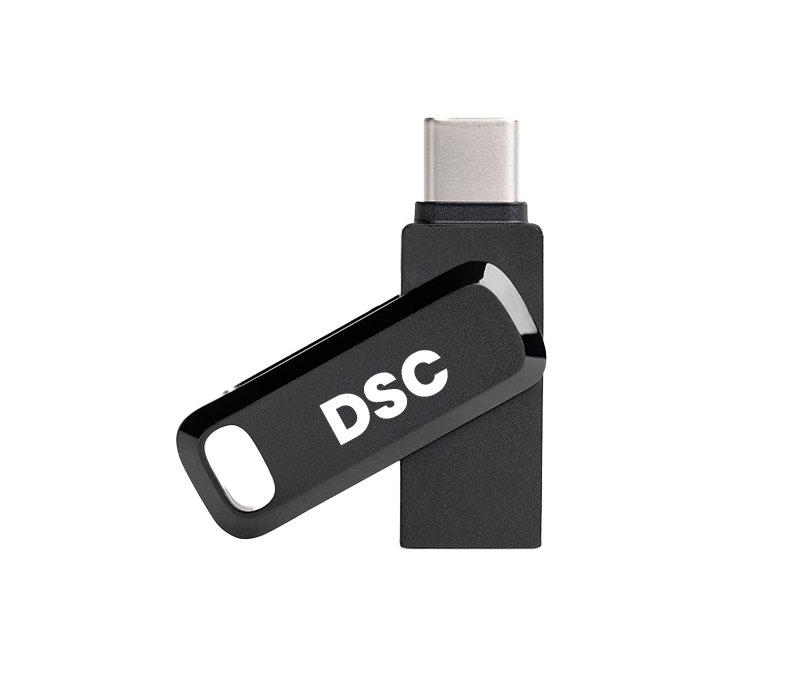
- Digital Signature Certificate (DSC): Class 2 or Class 3 DSC is often required for online filings with DGFT and customs.
- Partnership Deed (for Partnership Firms): Legally binding document outlining partner roles and responsibilities.
- Memorandum of Association (MOA) & Articles of Association (AOA) (for Companies): Essential constitutional documents.
- Goods-Specific Documents: Beyond the IEC, each shipment requires documents like Commercial Invoice, Packing List, Bill of Lading/Air Waybill, Certificate of Origin, and sometimes specific licenses (e.g., for restricted goods), quality certificates, or phytosanitary certificates. Accuracy in these documents, reflecting the actual goods, value, and destination, is paramount.
- Compliance: Adhering to the Latest DGFT Guidelines
The DGFT regularly updates the Foreign Trade Policy (FTP) and issues various notifications, trade notices, and circulars. Compliance means not just having an IEC but also understanding and adhering to these dynamic guidelines. This includes:- Understanding the Foreign Trade Policy (FTP): The overarching framework that governs import and export.
- Awareness of Product-Specific Regulations: Certain goods may be restricted, prohibited, or require specific licenses/permissions from other government agencies (e.g., drug licenses for pharmaceuticals, plant quarantine for agricultural products). Haridwar’s diverse industrial base means businesses must be particularly vigilant about specific sectoral regulations.
- Adherence to Export Promotion Schemes: If a business plans to avail benefits under schemes like RoDTEP, Advance Authorisation, or EPCG, it must comply with their specific conditions and procedural requirements.
- Customs Regulations: Beyond DGFT, businesses must also comply with Customs Act and regulations, including accurate valuation, classification of goods (HS Code), and payment of duties.
- Annual Updation and Renewal: Keeping Your IEC Active
While an IEC is typically valid for a lifetime, the DGFT introduced a mandatory annual updation requirement for all IEC holders. Even if there are no changes in your business details, the IEC holder is required to confirm and validate their details electronically every year between April and June. Failure to do so can lead to the deactivation of the IEC.- Timely Updation: Ensure your IEC details (address, bank account, partners/directors) are updated as soon as changes occur.
- Annual Validation: Proactively complete the annual validation process between April and June to avoid deactivation, which can halt your international trade activities.
- Staying Informed: Keep an eye on DGFT notifications for any changes in the IEC updation process.
By diligently focusing on these key aspects, Haridwar businesses can build a solid foundation for their international trade operations, minimizing risks and maximizing opportunities.
The Evolving Landscape: DGFT Reforms and Haridwar in 2025
The year 2025 is set to witness further evolution in India’s foreign trade landscape, largely driven by the DGFT’s continuous thrust towards digitalization and ease of doing business. For Haridwar, a city with immense untapped potential for international trade, understanding these reforms is not just about compliance, but about strategic adaptation to leverage new efficiencies.
The DGFT has been at the forefront of digital transformation, moving away from manual, paper-based processes to a fully online ecosystem. This shift aims to reduce transaction costs and time, enhance transparency, and eliminate bureaucratic hurdles. By 2025, Haridwar businesses can expect:
- Enhanced Online Portals: The DGFT’s online platform is becoming the single point of contact for almost all foreign trade-related services, including IEC application, modification, annual updation, and applying for various export promotion schemes. These portals are continually being refined for better user experience and integration with other government systems like Customs (ICEGATE).
- Paperless Transactions: The emphasis on paperless trade will intensify. Digital submissions, e-certificates, and electronic communication will become the norm. This reduces the need for physical visits to government offices, a significant boon for businesses in Haridwar, saving time and resources.
- Data-Driven Decision Making: With increased digitalization, the DGFT can collect and analyze vast amounts of trade data. This allows for more targeted policy interventions, better support for specific sectors, and a more responsive regulatory environment, which Haridwar businesses can benefit from through more tailored incentives.
- Integration with Other Systems: Expect seamless integration between the DGFT portal and other critical government platforms such as GSTN (Goods and Services Tax Network), Income Tax, and Customs (ICEGATE). This integration will minimize data entry errors, allow for cross-verification of information, and speed up processes like duty drawback and incentive disbursements.
- Focus on Compliance Risk Management: The digital systems will enable the DGFT to better identify and flag potential compliance risks. This means that while honest traders will experience smoother processes, those attempting to circumvent regulations will face swifter detection and stricter penalties. Haridwar businesses must therefore ensure their data integrity and compliance is impeccable.
- Anticipated Foreign Trade Policy (FTP) Updates: While the current Foreign Trade Policy (2023) provides a stable framework, foreign trade policies are often reviewed and updated periodically. Haridwar businesses should be prepared for potential mid-term reviews or new iterations of the FTP that might introduce new schemes, modify existing ones, or revise procedures to align with global trade dynamics and India’s economic objectives. These updates could directly impact eligibility for incentives or introduce new compliance requirements.
For Haridwar, as an emerging industrial and commercial hub, embracing these digital changes is not optional. It means investing in digital infrastructure, training personnel in online procedures, and having a reliable internet connection. The move towards digital platforms simplifies access to services, democratizes information, and offers Haridwar businesses the opportunity to compete more effectively on a national and international scale by reducing operational inefficiencies. By understanding and adapting to these ongoing DGFT reforms, Haridwar’s entrepreneurial ecosystem can truly flourish in the global market of 2025 and beyond.
Benefits of a Robust Import-Export Strategy for Haridwar Businesses
Having a well-defined and compliant import-export strategy goes far beyond simply obtaining an IEC. It unlocks a multitude of strategic advantages for Haridwar businesses, fostering growth, resilience, and global recognition.
- Access to New and Larger Markets: The domestic market, while significant, has its limitations. Exporting allows Haridwar businesses to tap into a global consumer base, dramatically increasing potential sales volume and revenue. This diversification reduces reliance on any single market, making the business more resilient to local economic fluctuations.
- Increased Revenue and Profitability: Often, international markets offer higher price points for certain products, or enable economies of scale through larger order quantities. By accessing these opportunities, Haridwar businesses can boost their top-line revenue and improve profit margins.
- Economies of Scale and Cost Reduction: Increased production due to export orders can lead to economies of scale. Unit costs decrease as production volume rises, making the business more competitive both domestically and internationally. Importing raw materials or components that are cheaper or of better quality abroad can also reduce production costs for Haridwar manufacturers.
- Innovation and Product Development: Engaging with international markets exposes businesses to new trends, technologies, and consumer preferences. This can drive innovation, leading to the development of new products or the improvement of existing ones, enhancing the business’s competitive edge.
- Brand Building and Global Recognition: Successfully exporting goods builds a brand’s reputation not just internationally but also domestically. A “Made in Haridwar” label gaining traction globally can significantly enhance the brand image and trust among local consumers as well.
- Diversification of Risk: Relying solely on one market carries inherent risks. A diversified portfolio of domestic and international markets mitigates risks associated with economic downturns, political instability, or changing consumer tastes in any single region.
- Access to Advanced Technology and Raw Materials: Importing specialized machinery, advanced technology, or high-quality raw materials not readily available domestically can significantly enhance a Haridwar business’s production capabilities, efficiency, and product quality.
- Contribution to Regional Economic Growth: Export-oriented businesses create jobs, attract investment, and contribute to the overall economic development of Haridwar and the wider Uttarakhand region. This creates a positive ripple effect, fostering a more robust local economy.
- Leveraging Export Incentives and Schemes: A well-structured import-export strategy enables businesses to proactively plan for and avail various DGFT export promotion schemes like RoDTEP, Advance Authorisation, and EPCG, which offer significant duty exemptions or refunds, thereby improving profitability and competitiveness.
For Haridwar businesses, embracing a robust import-export strategy is a proactive step towards long-term sustainability, competitive advantage, and realizing their full potential on the global stage. It’s about transforming local ambition into global achievement.
Streamlining Your Import-Export Processes in Haridwar
Navigating the complexities of import-export licenses (DGFT related) and the broader international trade ecosystem requires more than just knowing the rules; it demands efficient processes. For Haridwar businesses, streamlining these operations can significantly reduce costs, save time, and minimize compliance risks. Consider these strategic approaches:
- Digital Adoption: Embracing the Future of Trade
The DGFT’s strong push towards digitalization means that digital adoption is no longer an option but a necessity. Haridwar businesses must:- Utilize DGFT’s Online Portal: Actively use the DGFT website for all applications, modifications, and updates related to IEC and other schemes. Familiarize staff with the interface and required digital document formats.
- Implement Electronic Data Interchange (EDI): EDI systems facilitate the automated exchange of trade documents (invoices, purchase orders, shipping notices) between businesses and customs authorities. While this might be a larger investment, it drastically reduces manual errors and processing times.
- Employ Digital Signatures (DSC): Ensure that key personnel possess valid Digital Signature Certificates (DSCs) for secure and authenticated online submissions, a mandatory requirement for many DGFT and customs transactions.
- Adopt Cloud-Based Document Management: Store all import-export related documents (IEC, invoices, packing lists, Bills of Lading, Certificates of Origin) in a secure, cloud-based system. This ensures easy access, reduces the risk of loss, and facilitates quick retrieval for audits or submissions.
By fully embracing these digital tools, Haridwar businesses can expedite approvals, enhance transparency, and significantly reduce the administrative burden of international trade.
- Training: Investing in Knowledge and Expertise
The human element remains critical. A well-trained team is your best defense against errors and non-compliance. Invest in training your staff to ensure they are well-versed in DGFT regulations and international trade practices. Key areas of training should include:- Foreign Trade Policy (FTP) Updates: Regular sessions on the latest changes and notifications from the DGFT.
- Documentation Requirements: Meticulous training on preparing, verifying, and maintaining all import-export documents correctly.
- Customs Procedures: Understanding customs clearance processes, valuation rules, HS (Harmonized System) classification of goods, and duty payment procedures.
- INCOTERMS: Training on International Commercial Terms (INCOTERMS) to clearly define responsibilities, costs, and risks between buyers and sellers in international transactions.
- Compliance Software Usage: Training on any internal or external software used for managing compliance and documentation.
A knowledgeable team minimizes errors, anticipates challenges, and ensures smoother operations, acting as an internal compliance buffer.
- Expert Guidance: Partnering for Success
Given the dynamic and often complex nature of international trade regulations, partnering with a reputable import-export licenses (DGFT related) consultant in Haridwar is not merely an expense but a strategic investment.- Regulatory Expertise: Consultants bring specialized knowledge of DGFT policies, procedures, and common pitfalls, helping businesses avoid costly mistakes.
- Time and Resource Saving: Outsourcing compliance tasks frees up internal resources, allowing your team to focus on core business activities like sales and production.
- Proactive Problem Solving: Experienced consultants can anticipate potential issues, such as document discrepancies or classification challenges, and address them before they escalate.
- Access to Latest Information: Good consultants stay updated with the latest DGFT notifications and policy changes, ensuring your business remains compliant even amidst evolving regulations.
By taking these steps – digital adoption, continuous training, and strategic expert partnership – Haridwar businesses can reduce errors, expedite approvals, minimize compliance risks, and establish a highly efficient import-export operation that drives global success.
Finding the Right Import-Export Licenses (DGFT Related) Consultant in Haridwar
The choice of an import-export consultant can significantly impact your business’s journey into global trade. For Haridwar businesses, selecting the right partner means finding a firm that not only understands DGFT regulations but also possesses local market insights and a commitment to seamless service. When evaluating potential consultants, look for a firm with:
- Proven Expertise in DGFT Regulations: The consultant should demonstrate deep, up-to-date knowledge of the Foreign Trade Policy, various export promotion schemes, customs procedures, and the specific requirements for import-export licenses (DGFT related). Their team should consist of seasoned professionals with relevant experience.
- A Strong Track Record of Successful Applications: Ask for references or case studies. A consultant with a history of successful IEC applications, scheme registrations, and compliance management indicates reliability and effectiveness.
- Excellent Communication and Responsiveness: International trade moves fast. Your consultant should be easily accessible, proactive in communicating updates, and quick to respond to queries and urgent requests. Clear, jargon-free explanations are also key.
- Local Presence and Haridwar-Specific Know-How: While DGFT rules are national, local nuances in terms of documentation, regional DGFT office procedures, and local business environment can be critical. A consultant with specific experience supporting Haridwar businesses will offer invaluable insights.
- Transparent Pricing Structure: Ensure the consultant provides a clear, detailed breakdown of their fees, with no hidden costs. Understanding the scope of services included in the fee is essential for budgeting.
- Client-Centric Approach: A good consultant acts as an extension of your team, understanding your specific business needs and tailoring their services accordingly, rather than offering a one-size-fits-all solution.
This is where Tax and Grow stands out as a premier partner for import-export licenses (DGFT related) in Haridwar. We offer transparent pricing, city-specific compliance know-how, and rapid turnarounds tailored to the needs of Haridwar businesses. Our commitment is to provide end-to-end guidance for all your import-export licenses (DGFT related) requirements in Haridwar, covering every aspect from meticulous documentation and precise filings to proactive follow-ups with the authorities.
Our expertise is backed by a solid track record: We’ve supported 327+ Haridwar clients on import-export licenses (DGFT related) with on-time delivery across the last 11 quarters. A testament to our rigorous processes and commitment to compliance, our penalty incidence held at an impressive 0% thanks to our comprehensive checklists, multi-stage peer review mechanisms, and city-specific escalation paths that ensure every detail is perfect.
Call to action: Don’t let regulatory hurdles hold back your global aspirations. Contact Tax and Grow today to discuss your import-export licensing needs in Haridwar and embark on a smooth international trade journey! Call us now at 9345984099.
Benefits of Using Haridwar Import-Export Licenses (DGFT Related) Services
Engaging professional Haridwar import-export licenses (DGFT related) services, particularly from a seasoned firm like Tax and Grow, offers a multitude of strategic advantages that go beyond simply acquiring a license. These benefits are crucial for maintaining compliance, optimizing operations, and achieving sustained growth in the global marketplace:
- Reduced Risk of Errors and Penalties: The most immediate and significant benefit. Professional consultants possess an in-depth understanding of complex DGFT rules, Foreign Trade Policy provisions, and documentation requirements. This expertise minimizes the chances of errors in applications, filings, or declarations, thereby substantially reducing the risk of costly penalties, shipment delays, or even goods confiscation. Our penalty incidence remains at 0% thanks to our rigorous checklists, peer review processes, and city-specific escalation paths, providing Haridwar clients with unparalleled peace of mind.
- Faster Processing Times: Navigating bureaucratic procedures can be time-consuming. Experts know the exact requirements, the right channels, and the common pitfalls that can cause delays. This knowledge translates into quicker processing of IEC applications, modifications, and other DGFT-related services, ensuring your business can commence or continue international trade without unnecessary hold-ups. Our rapid turnarounds are a hallmark of our service for Haridwar businesses.
- Expert Guidance on Complex Regulations: DGFT policies are dynamic and can be intricate, especially concerning specific product categories, export promotion schemes, or cross-border agreements. Consultants provide clarity and strategic advice on how to leverage these regulations to your advantage, or how to correctly interpret ambiguous clauses. This expert guidance is invaluable for making informed business decisions.
- Access to the Latest Policy Updates: The DGFT frequently issues new notifications, amendments, and circulars. Keeping track of these changes can be a full-time job. A dedicated consultant continually monitors these updates, ensuring your Haridwar business remains fully compliant with the very latest regulations without you having to dedicate internal resources to this task.
- End-to-End Service and Support: Many consultants offer comprehensive, end-to-end services, covering everything from initial documentation compilation and application filing to follow-ups with DGFT officials and ongoing compliance support. This holistic approach frees up your internal resources, allowing your team to focus on core business activities. Tax and Grow provides end-to-end guidance for import-export licenses (DGFT related) in Haridwar, from documentation and filings to proactive follow-ups.
- Strategic Planning and Optimization: Beyond basic compliance, expert consultants can help Haridwar businesses strategize on how to best utilize various export promotion schemes (like RoDTEP, Advance Authorisation, EPCG) to reduce costs and enhance competitiveness. They can identify opportunities for duty savings and advise on optimal trade routes or structures.
- Peace of Mind Knowing Your Compliance is in Capable Hands: Ultimately, partnering with a reputable service provides invaluable peace of mind. Knowing that experienced professionals are managing your import-export compliance allows you to focus on growing your business globally, confident that the regulatory aspects are being handled meticulously. We’ve supported 327+ Haridwar clients on import-export licenses (DGFT related) with on-time delivery across the last 11 quarters, demonstrating our reliability.
For Haridwar businesses looking to venture into or expand their presence in international trade, these benefits translate into tangible improvements in efficiency, cost-effectiveness, and risk mitigation, paving the way for sustainable global success.
Beyond IEC: Other Key DGFT Schemes for Haridwar Exporters
While the Importer-Exporter Code (IEC) is the foundational requirement for international trade, the DGFT offers a suite of advanced schemes and incentives designed to promote exports and make Indian products more competitive globally. For Haridwar businesses, understanding these schemes can unlock significant cost savings and strategic advantages. These are not strictly “licenses” in the same sense as an IEC, but rather authorization or incentive programs managed by the DGFT, often requiring an active IEC to avail benefits.
- Remission of Duties and Taxes on Exported Products (RoDTEP) Scheme:
The RoDTEP scheme, launched to replace the earlier MEIS (Merchandise Exports from India Scheme), aims to refund various central, state, and local duties/taxes/levies that are currently not remitted under any other mechanism but are incurred in the process of manufacturing or producing exported goods. These include duties like VAT on fuel used for transportation, Mandi Tax, electricity duty, etc. For Haridwar manufacturers, particularly those in sectors with significant embedded taxes, RoDTEP can provide a crucial competitive edge by effectively lowering the cost of their exports. Eligibility and rates depend on the HS Code of the product and the destination country. - Advance Authorisation Scheme:
This scheme allows duty-free import of raw materials, inputs, intermediates, components, and consumables required for the manufacture of export products. The authorization is issued for a specific quantity and value of inputs, based on the quantity of the resultant export product. The core idea is to enable exporters to source inputs globally without paying import duties, making their final export product more competitive. Haridwar businesses involved in manufacturing for export can significantly benefit from this scheme by reducing their input costs. The scheme operates on a pre-import condition (inputs imported first, then export obligation fulfilled) and requires meticulous record-keeping and a strong understanding of input-output norms. - Export Promotion Capital Goods (EPCG) Scheme:
The EPCG scheme facilitates the import of capital goods (machinery, equipment, accessories, spare parts, etc.) for producing goods for export, at a concessional (generally zero) rate of customs duty. In return, the importer undertakes an export obligation equivalent to 6 times the duties saved on the capital goods, to be fulfilled over a period of 6 years. This scheme is particularly beneficial for Haridwar manufacturers looking to upgrade their production facilities with modern technology without incurring heavy import duties, thereby enhancing their manufacturing capabilities and competitiveness in the export market. - Duty Drawback Scheme:
The Duty Drawback scheme allows for a refund of customs duties paid on imported inputs and central excise duties paid on indigenous inputs when the final product is exported. While RoDTEP covers non-remittable taxes, Duty Drawback specifically targets duties paid on inputs used in the manufacture of export goods, ensuring that the exported product is free from these domestic tax burdens. - Status Holder Certificates:
Exporters achieving certain export performance benchmarks (based on FOB value of exports) over a period of time are granted “Status Holder” certificates (e.g., One Star Export House, Two Star Export House). These status holders enjoy various privileges, including simplified procedures, faster clearances, and eligibility for specific schemes, enhancing their ease of doing business.
For Haridwar exporters, leveraging these DGFT schemes requires a deep understanding of their eligibility criteria, application procedures, and compliance obligations. This is precisely where a knowledgeable consultant becomes indispensable. Tax and Grow can provide comprehensive guidance on identifying which schemes are most beneficial for your Haridwar business and assist with the entire application and compliance process, ensuring you maximize your export incentives.
Haridwar Compliance: Staying Ahead of the Curve
Staying informed about the latest regulatory changes is not a one-time task; it’s an ongoing, dynamic process essential for any Haridwar business engaged in international trade. The global trade environment is constantly evolving, influenced by new trade agreements, geopolitical shifts, technological advancements, and domestic policy reviews. For your business to thrive and remain competitive, a proactive approach to Haridwar compliance is paramount.
- Subscribe to DGFT Updates: Ensure you are registered on the DGFT website to receive their official notifications, trade notices, and circulars directly. These are the primary sources of information regarding any policy changes, procedural amendments, or new schemes.
- Attend Industry Seminars and Workshops: Participate in webinars, seminars, and workshops organized by industry associations (e.g., FIEO, various Chambers of Commerce in Uttarakhand), trade bodies, and government agencies. These platforms provide valuable insights into upcoming changes, practical advice, and networking opportunities.
- Maintain a Close Relationship with Your Compliance Consultant: Your chosen import-export licenses (DGFT related) consultant in Haridwar should be your primary partner in navigating the evolving landscape. They are equipped to interpret complex regulations, advise on their impact on your specific business, and guide you through necessary adjustments.
- Regular Internal Audits: Conduct periodic internal reviews of your import-export processes and documentation to ensure ongoing adherence to DGFT and customs regulations. This helps identify and rectify potential non-compliance issues before they are flagged by authorities.
- Understand Broader Trade Policies: Keep an eye on India’s broader Foreign Trade Policy (FTP) reviews, new bilateral or multilateral trade agreements, and international trade bodies’ guidelines (e.g., WTO). These macro-level changes often trickle down into specific DGFT regulations.
Tax and Grow can be your unwavering partner in this continuous journey of compliance. We proactively monitor the evolving landscape of Haridwar compliance, bringing the latest information and strategic advice directly to your business. Our expertise ensures that your business remains not just in good standing, but also optimally positioned to leverage new opportunities and adapt to challenges as they arise in the dynamic world of international trade.
Challenges and Solutions for Haridwar Exporters
While the global market offers immense opportunities for Haridwar businesses, it also presents a unique set of challenges. Understanding these hurdles and having strategic solutions in place is critical for successful international trade.
Common Challenges:
- Understanding Complex Regulations: The sheer volume and dynamic nature of DGFT, Customs, and other allied regulations (e.g., plant quarantine, FSSAI, BIS) can be overwhelming for businesses, especially SMEs in Haridwar.
- Documentation Errors: Even minor errors or omissions in paperwork (invoices, packing lists, Bill of Lading, Certificate of Origin) can lead to significant delays, penalties, and even rejection of shipments.
- Customs Clearance Delays: Inefficient processes at ports or airports, or issues with valuation and classification of goods, can cause goods to be held up, incurring demurrage charges and impacting delivery schedules.
- Logistics and Supply Chain Management: Arranging cost-effective and reliable international freight, managing warehousing, and ensuring timely delivery across borders can be complex.
- Market Access and Marketing: Identifying suitable international markets, understanding consumer preferences, and effectively marketing products abroad requires significant investment and expertise.
- Payment Security and Forex Fluctuation: Ensuring secure payment from international buyers and managing currency exchange rate fluctuations are critical financial risks.
- Access to Finance: Small and medium-sized enterprises (SMEs) in Haridwar may find it challenging to secure adequate export finance or working capital.
- Quality Control and Standards: Meeting international quality standards, certifications, and packaging requirements for various countries can be demanding.
Strategic Solutions:
- Invest in Expert Consultancy: Partnering with a specialized import-export licenses (DGFT related) consultant in Haridwar like Tax and Grow can demystify complex regulations, handle documentation meticulously, and provide guidance on various schemes. This is the most effective way to navigate regulatory challenges.
- Digitalization and Automation: Embrace online platforms for all DGFT and customs filings. Implement digital document management systems to reduce errors and improve efficiency.
- Comprehensive Training: Regularly train your team on export procedures, documentation, INCOTERMS, and compliance updates to build internal expertise.
- Robust Supply Chain Planning: Work with experienced freight forwarders and logistics providers. Explore options for multimodal transport and optimize warehousing.
- Market Research and Export Promotion Councils: Conduct thorough market research or utilize the resources of Export Promotion Councils (EPCs) and FIEO to identify target markets and understand their requirements.
- Secure Payment Mechanisms: Utilize Letters of Credit (LCs), export credit insurance (ECGC), and foreign exchange hedging strategies to mitigate financial risks.
- Leverage Government Schemes: Proactively apply for export promotion schemes like RoDTEP, Advance Authorisation, and EPCG to reduce costs and enhance competitiveness. A consultant can assist significantly here.
- Focus on Quality and Certifications: Ensure your products consistently meet or exceed international quality standards. Obtain necessary international certifications to build trust and market access.
By proactively addressing these challenges with strategic planning and expert consultancy, Haridwar businesses can transform potential obstacles into stepping stones for successful and sustainable growth in the international arena.
Conclusion: Secure Your Global Future in Haridwar
The journey into international trade for Haridwar businesses is fraught with both immense potential and intricate regulatory demands. Obtaining and meticulously managing the necessary import-export licenses (DGFT related) in Haridwar is not merely an administrative checkpoint; it is a vital strategic step toward unlocking unprecedented global opportunities. From expanding market reach and boosting profitability to fostering innovation and enhancing brand recognition, the benefits of engaging in international commerce are transformative for any Haridwar enterprise.
As we advance into 2025, the evolving landscape of DGFT reforms, marked by digitalization and a continuous drive for ease of doing business, presents both opportunities and the imperative for constant vigilance. Understanding these requirements, streamlining your internal processes through digital adoption and staff training, and crucially, partnering with the right experts, are the cornerstones of navigating this regulatory environment with unwavering confidence. For Haridwar businesses, this means not just avoiding pitfalls but proactively leveraging the system for competitive advantage.
At Tax and Grow, we pride ourselves on being that trusted partner. Our commitment to transparent pricing, deep city-specific compliance know-how, and rapid turnarounds for Haridwar clients is unmatched. We offer comprehensive, end-to-end guidance for all your import-export licenses (DGFT related) needs – from meticulous documentation and precise filings to proactive follow-ups. Our impressive track record, having supported over 327 Haridwar clients with zero penalty incidence across the last 11 quarters, speaks volumes about our rigorous processes and dedication to your success. We understand the unique challenges and opportunities for businesses in Haridwar, and we are equipped to transform regulatory complexities into pathways for global expansion.
Take the decisive step towards a successful international trade journey for your Haridwar business. Do not let regulatory complexities impede your global aspirations. Secure your compliance, optimize your processes, and unlock a world of opportunities with expert support.
Call to action: Ready to get started and explore your global potential? Contact Tax and Grow today for a free consultation! Reach out to us via email at info@taxandgrow.com.
Call to action: Want to learn more about Import-Export licensing with Tax and Grow and meet our experts? Visit our office at No:120, 1st floor, Arcot Road, Valasaravakkam, Chennai – 600087.
Frequently Asked Questions (FAQs)
Here are some common questions Haridwar businesses often have about import-export licenses (DGFT related) and international trade:
What is an IEC and why do I need one in Haridwar?
An IEC, or Importer-Exporter Code, is a 10-digit unique code issued by the Directorate General of Foreign Trade (DGFT), Ministry of Commerce, Government of India. It is a mandatory requirement for any person or business entity (individual, proprietorship, partnership, company, trust, etc.) involved in import or export activities in India, including those based in Haridwar. Essentially, it’s your license to conduct international trade. You need one to clear customs, remit or receive foreign exchange for trade, and to avail export promotion benefits.
How do I apply for an import-export license (IEC) in Haridwar?
You can apply for an IEC online through the DGFT website (www.dgft.gov.in). The process involves filling out an application form (ANF 2A), uploading required documents in digital format, and paying the necessary government fees. The application is typically processed within 2-3 working days if all documents are in order. Alternatively, to ensure accuracy and avoid common pitfalls, you can seek expert assistance from Haridwar filing experts like Tax and Grow, who provide end-to-end guidance and ensure rapid turnaround.
What documents are required for obtaining an IEC in Haridwar?
Generally, you’ll need a set of documents to apply for an IEC. These typically include: your PAN card (mandatory), identity proof (Aadhaar, Passport, Voter ID) of the proprietor/partners/directors, address proof of the applicant entity (utility bills, rent agreement), bank account details (cancelled cheque or bank statement), and a Digital Signature Certificate (DSC) for online submission. For companies or partnership firms, additional documents like the Certificate of Incorporation/Partnership Deed and MOA/AOA may be required. Our consultants at Tax and Grow can provide a comprehensive checklist tailored to your business structure.
How long is an import-export license (IEC) valid for?
An IEC is generally valid for a lifetime. However, it is now mandatory for all IEC holders to update or confirm their details electronically on the DGFT website annually, between April and June, even if there are no changes. Failure to do so will lead to the deactivation of your IEC, which can halt your import/export activities until it is reactivated after due compliance and potentially a penalty.
What is the cost of obtaining an import-export license (IEC) in Haridwar?
The government fee for applying for an IEC is relatively nominal, currently Rs. 500. However, if you choose to use a professional consultant for assistance, their service fees will vary depending on the scope of services offered (e.g., documentation, filing, follow-up, ongoing compliance advice). Tax and Grow offers transparent pricing and a comprehensive service package designed for Haridwar businesses.
Is an IEC required for services export from Haridwar?
No, an IEC is not mandatory for individuals or firms who only export services. However, it is advisable to obtain an IEC if you are claiming benefits under the Foreign Trade Policy, such as SEIS (Service Exports from India Scheme – though this is being replaced by RoDTEP for certain services) or if you plan to eventually export goods. Having an IEC can also simplify foreign exchange transactions with banks.
Can a proprietor apply for an IEC in Haridwar?
Yes, an individual proprietor can easily apply for an IEC. The application would be linked to the proprietor’s PAN card and would typically require their identity and address proof, along with bank details of their proprietorship firm. The process is streamlined for proprietorships, similar to other business entities.
What is the role of the Customs Department in import-export from Haridwar?
While the DGFT formulates policy and issues the IEC, the Customs Department (under the Central Board of Indirect Taxes and Customs – CBIC) is responsible for the actual implementation of import and export laws at the borders (ports, airports, land customs stations). They handle cargo clearance, assessment and collection of duties, enforcement of prohibitions/restrictions, and verification of documentation. Haridwar businesses will interact with customs directly or through their Customs House Agents (CHAs) during every shipment.
What is the Foreign Trade Policy (FTP) and why is it important for Haridwar businesses?
The Foreign Trade Policy (FTP) is a set of guidelines and instructions established by the DGFT for promoting and regulating India’s foreign trade. It outlines various schemes, incentives, and procedures for exporters and importers. For Haridwar businesses, understanding the FTP is crucial because it governs all aspects of international trade, including eligibility for export promotion schemes (like RoDTEP, Advance Authorisation, EPCG) that can significantly reduce costs and enhance competitiveness. Keeping up with FTP changes is essential for compliance and maximizing benefits.
What is a Digital Signature Certificate (DSC) and why is it needed for IEC in Haridwar?
A Digital Signature Certificate (DSC) is a secure digital key that certifies the identity of the holder, similar to a physical signature in digital format. For IEC-related applications and other online filings with the DGFT and various government portals, a Class 2 or Class 3 DSC is mandatory. It ensures the authenticity and integrity of the electronically submitted documents, making the online process secure and legally valid. Haridwar businesses must ensure they obtain and maintain a valid DSC for smooth online operations.
Talk to a Tax Expert
Tell us what you need — our experts get back to you fast, with clear advice and transparent pricing.
- Fast, on-time registration & filing
- Experienced tax & compliance experts
- Transparent pricing — no hidden fees