
As the vibrant industrial landscape of Korba continues its rapid expansion, so too does the complexity of its regulatory environment. Approaching 2025, businesses across this dynamic region face an imperative to elevate their vigilance regarding Goods and Services Tax (GST) compliance. Among the myriad aspects of GST, understanding and accurately executing GST input reversal calculations stands out as a critical element. A misstep in these calculations is not merely a bureaucratic oversight; it can swiftly translate into substantial penalties, interest levies, and significant financial setbacks that can undermine a business’s stability and growth trajectory.
This comprehensive blog post is meticulously crafted to serve as an indispensable guide for Korba businesses, providing essential information, deep insights, and practical guidance to successfully navigate these intricate complexities. We aim to empower you with the knowledge needed to ensure flawless compliance and robust financial health. At Tax and Grow, our unwavering commitment to excellence is demonstrated by our impressive track record: we have proudly supported over 1564 Korba clients specifically on GST input reversal calculations, consistently delivering our services on time across the last four quarters. This dedication has resulted in a remarkable 0% penalty incidence for our clients, a testament to our rigorous methodology, which includes meticulous checklists, comprehensive peer review processes, and bespoke city-specific escalation paths tailored for the unique challenges of Korba. For expert assistance that ensures peace of mind and optimal compliance, we urge you to contact us today!
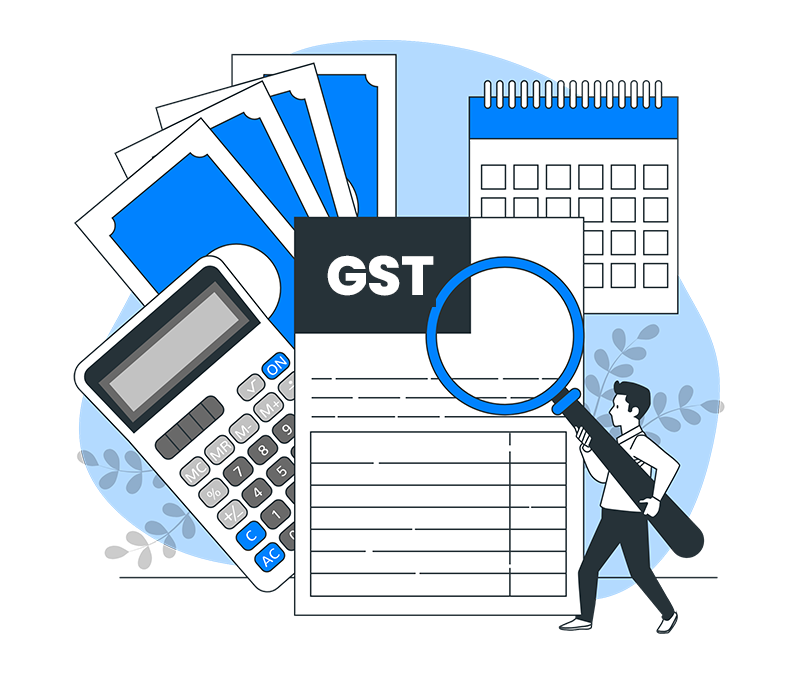




Understanding GST Input Reversal Calculations: A Deeper Dive for Korba Businesses
The Goods and Services Tax (GST) regime in India operates on the fundamental principle of Input Tax Credit (ITC). This mechanism allows businesses to claim credit for the GST paid on their purchases of goods and services, subsequently utilizing this credit to offset their own GST liability on sales. It is a cornerstone of GST, designed to prevent the cascading effect of taxes and ensure a seamless flow of credit across the supply chain. However, this beneficial mechanism comes with specific conditions and responsibilities. Under certain well-defined circumstances, the ITC initially claimed by a business must be reversed. This process, known as GST input reversal calculation, is not optional; it is a mandatory compliance requirement. For businesses engaged in the bustling industrial and commercial activities of Korba, understanding these scenarios and their implications is not just vital for routine Korba GST filing, but it is absolutely essential for maintaining impeccable compliance and ensuring audit readiness, especially as supply chains continue to scale rapidly both within and around the Korba region.
The Core Principle Behind ITC Reversal
The underlying philosophy of ITC reversal is to ensure that the credit is claimed only when it genuinely contributes to taxable supplies or is used for legitimate business purposes. When goods or services are not used for taxable supplies, or if certain conditions for claiming credit are not met, the credit becomes ineligible and must be reversed. This prevents undue tax benefits and maintains the integrity of the GST system. For businesses in Korba, this means a rigorous assessment of every purchase and its ultimate usage to avoid any potential discrepancies.

Common Scenarios Requiring GST Input Reversal: Detailed Examination for Korba’s Context
Navigating the various situations that necessitate GST input reversal is critical for businesses in Korba. Each scenario has distinct implications and requires precise calculations. Let’s delve into these common situations with a focus on their practical application for Korba businesses:
- Non-payment to Suppliers within 180 Days: This is one of the most frequently encountered reversal scenarios. As per GST law, if a recipient of goods or services fails to pay the supplier the value of the supply along with the tax due thereon within 180 days from the date of issue of the invoice, the ITC claimed on such supply must be reversed. This provision aims to ensure timely payments in the supply chain. For a Korba-based manufacturer procuring raw materials or a service provider engaging sub-contractors, meticulous tracking of payment cycles is paramount. Failing to pay within the stipulated 180 days will necessitate reversal, adding back the credit amount to the output tax liability along with applicable interest. Our clients in Korba often rely on our sophisticated tracking systems to monitor these payment deadlines proactively.
- Goods or Services Used for Non-business Purposes (Personal Consumption): ITC is strictly allowed for goods and services used in the course or furtherance of business. If any input goods or services are used for personal consumption by the proprietor, partners, or employees, the ITC attributable to such non-business use must be reversed. For example, if a vehicle purchased by a Korba consulting firm is occasionally used for personal trips by its director, a proportionate amount of ITC claimed on its purchase and maintenance might need reversal. Identifying and quantifying such usage requires clear internal policies and meticulous record-keeping.
- Exempt Supplies: Businesses often deal in both taxable and exempt supplies. If a business in Korba uses common input goods or services for making both taxable and exempt supplies, the ITC attributable to the exempt supplies is not eligible and must be reversed. For instance, a Korba healthcare facility that provides both taxable cosmetic treatments and exempt medical services must reverse the ITC on common expenses like rent, electricity, or administrative services that pertain to the exempt portion of its revenue. Rules 42 and 43 of the CGST Rules provide the methodology for such proportionate reversals, which can be particularly complex and often require expert guidance.
- Capital Goods Partly Used for Business and Partly for Non-business Purposes: Similar to general goods and services, if capital goods (like machinery, vehicles, or office equipment) purchased by a Korba business are used for both business and non-business activities, the ITC claimed on such capital goods needs proportionate reversal. This also extends to capital goods used for making both taxable and exempt supplies. The reversal amount is typically calculated over the useful life of the asset (usually five years), with a portion being reversed each month. A mining company in Korba, for example, might use heavy machinery for both its core taxable mining operations and for certain community service projects which are exempt or non-business related. The ITC on such machinery would need careful, ongoing reversal calculations.
- Supply of Services where Input Tax Credit is Ineligible (Blocked Credits): While not strictly a reversal, this is closely related. Certain input services are specifically denied ITC under Section 17(5) of the CGST Act. These include food and beverages, outdoor catering, beauty treatment, health services, club membership, fitness and health centre, rent-a-cab services (with some exceptions), and works contract services for immovable property (other than plant and machinery). If a Korba business inadvertently claims ITC on such blocked services, it must proactively reverse such wrongly claimed credit to avoid penalties during audits.
- Credit Notes Issued for Price Adjustments or Return of Goods: When a supplier issues a credit note to a recipient for a price reduction or return of goods, the recipient who has already claimed ITC on the original invoice might need to reverse a corresponding portion of the ITC. This ensures that the ITC claimed aligns with the net value of the supply received. For traders and retailers in Korba dealing with frequent returns or discounts, this becomes a regular aspect of their ITC management.
Understanding these scenarios in depth is the first step towards accurate GST input reversal calculations. With the dynamic economic environment and increasing scale of operations in and around Korba, proactive and precise management of these reversals is not just about compliance but also about smart financial planning. Our local specialists at Tax and Grow are intimately familiar with the nuances of these rules and their application in Korba’s specific business ecosystem.
Why Accurate GST Input Reversal is Crucial for Korba Businesses: Beyond Just Penalties
The importance of accurate GST input reversal calculations for businesses operating in Korba extends far beyond merely avoiding direct penalties. It forms the bedrock of a healthy, compliant, and sustainable business operation. In a region like Korba, characterized by its growing industrial base and heightened regulatory scrutiny, the stakes are significantly higher. Here’s a detailed look at why precision in these calculations is absolutely paramount:
- Avoiding Penalties and Interest Levies: This is the most immediate and tangible consequence of incorrect or delayed reversals. GST laws are stringent; any shortfall in tax payment due to unreversed ineligible ITC will attract not only the outstanding tax amount but also hefty penalties and interest, which can compound rapidly. For a small to medium-sized enterprise (SME) in Korba, these unforeseen costs can severely impact cash flow and profitability, potentially leading to financial distress. Our 0% penalty incidence for 1564+ Korba clients underscores the success of our meticulous approach.
- Maintaining Impeccable Compliance and Regulatory Standing: Adherence to GST laws, including accurate ITC reversal, is fundamental to maintaining a good compliance record with tax authorities. A history of non-compliance can lead to increased scrutiny, frequent audits, and a tarnished reputation. For Korba businesses looking to secure government contracts, attract investors, or maintain strong relationships with suppliers and buyers, a clean compliance record is an invaluable asset. It signals operational integrity and reliability.
- Optimizing Financial Health and Cash Flow: Proper management of ITC is directly linked to a business’s cash flow. Incorrectly claiming and then having to reverse ITC, or missing legitimate ITC claims, directly impacts the amount of tax payable. Accurate reversals ensure that only eligible credit is utilized, thus preventing future liabilities that could drain working capital. This foresight improves cash flow management, allowing Korba businesses to allocate resources effectively for growth and operational needs rather than unforeseen tax demands.
- Ensuring Robust Audit Preparedness: In the event of a GST audit or scrutiny, the accuracy and documentation of ITC reversals are among the first areas tax officials will examine. Well-documented and correctly calculated reversal entries simplify the audit process, demonstrate a proactive approach to compliance, and reduce the likelihood of adverse findings. Conversely, poorly managed reversals can prolong audits, lead to protracted disputes, and divert valuable business resources and time towards resolving compliance issues. For Korba’s industrial players, audit readiness is a continuous requirement, not an occasional task.
- Preventing Litigation and Legal Disputes: Persistent non-compliance or significant errors in ITC management can escalate beyond penalties to legal disputes with tax authorities. Such litigations are not only financially draining but also time-consuming, pulling management attention away from core business activities. Accurate reversals act as a preventative measure against such legal entanglements, safeguarding the business’s legal standing.
- Enhancing Business Reputation and Trust: In the competitive Korba market, a reputation for ethical business practices and strong compliance is a significant differentiator. It builds trust with customers, suppliers, and financial institutions. Businesses known for their diligence in tax matters are often viewed as more stable and reliable partners. This indirect benefit of accurate GST input reversal calculations contributes to the overall brand value and market positioning of a Korba business.
In essence, mastering GST input reversal calculations is not merely a bureaucratic chore; it is a strategic imperative that underpins the financial health, legal standing, and reputability of any Korba business. By prioritizing accuracy and seeking expert guidance, businesses can transform a potential compliance headache into a competitive advantage. At Tax and Grow, we don’t just process numbers; we provide peace of mind and contribute directly to the financial stability and growth of our Korba clientele.
How to Perform GST Input Reversal Calculations: A Step-by-Step Guide for Korba Businesses
Performing GST input reversal calculations can indeed appear daunting due to the various rules and scenarios involved. However, by adopting a systematic, step-by-step approach, businesses in Korba can manage this critical aspect of GST compliance with greater accuracy and efficiency. This guide breaks down the process, offering practical insights for your operations:
Step 1: Identify Reversal Scenarios and Relevant Transactions
The first and most crucial step is to meticulously identify all transactions that trigger an ITC reversal. This requires a thorough understanding of the specific conditions under which reversals are mandated. For Korba businesses, this means:
- Regular Review of Vendor Payments: Implement a robust system to track payments to all suppliers. Regularly check if any payments for which ITC was claimed have exceeded the 180-day deadline from the invoice date. This is particularly relevant for Korba’s diverse supply chain, from raw material procurement to service contractors.
- Segregation of Business and Non-Business Usage: For common expenses like office supplies, utilities, or assets, clearly define what constitutes business use versus personal or non-business use. For instance, if a company vehicle in Korba is also used by the owner for personal commutes, its usage must be tracked.
- Classification of Supplies (Taxable vs. Exempt): If your Korba business provides both taxable (e.g., manufacturing finished goods) and exempt supplies (e.g., certain essential services), you must categorize all your inputs accordingly. This involves carefully analyzing your revenue streams and input consumption patterns.
- Tracking Capital Goods Usage: Maintain a fixed asset register that details the usage of capital goods. If a machine bought by a Korba factory is sometimes diverted for producing goods that are exempt, or for non-business projects, this needs to be noted.
Expert Tip: Regular internal audits of purchase registers and expenditure records can help proactively identify potential reversal triggers before they become compliance issues. For our Korba clients, we implement tailored checklists to ensure no scenario is overlooked.
Step 2: Calculate the Exact ITC Amount to be Reversed
Once a reversal scenario is identified, the next step is to precisely calculate the amount of ITC that needs to be reversed. The calculation methodology varies depending on the specific reason for reversal:
- For Non-payment to Suppliers: The entire ITC claimed on that specific invoice must be reversed. If partial payment was made, the ITC for the unpaid portion needs reversal. For example, if a Korba construction firm bought cement worth INR 1,00,000 (plus 18% GST, i.e., INR 18,000 ITC) and paid only INR 50,000 (plus 9% GST, i.e., INR 9,000 ITC) within 180 days, the remaining INR 9,000 ITC must be reversed.
- For Non-business Use: A proportionate amount of ITC corresponding to the non-business usage must be reversed. This often requires a reasonable basis for apportionment, such as square footage for shared office space or mileage for vehicles.
- For Exempt Supplies / Common Credit: For common inputs used for both taxable and exempt supplies, the calculation generally follows Rule 42 of the CGST Rules. This involves identifying common credit and then apportioning it based on the ratio of exempt supplies to total turnover. For capital goods, Rule 43 applies, reversing credit over a five-year period. These calculations can be complex and require a clear understanding of the rules, which our GST input reversal calculations consultant Korba team can simplify for you.
- For Blocked Credits: If ITC was wrongly claimed on blocked items (e.g., specific food services), the entire wrongly claimed amount needs to be reversed.
Expert Tip: Maintain detailed workings for each reversal calculation. This documentation is crucial for audit purposes and demonstrates the transparency and accuracy of your compliance efforts. Tax and Grow provides robust documentation support to all its Korba clients.
Step 3: Record the Reversal in Your GST Returns and Accounting Records
After calculating the reversal amount, it must be accurately reflected in your GST returns and accounting books. This involves:
- GST Returns (GSTR-3B): ITC reversals are typically reported in Table 4(B) of GSTR-3B (Reversals as specified in Rule 42 & 43 of CGST Rules and Other reversals). Ensure the correct sub-category is selected. Any interest due on delayed reversals must also be paid and declared.
- Accounting Software Entries: Make corresponding entries in your accounting software (e.g., Tally, SAP, QuickBooks). This might involve debiting your output tax liability account and crediting your ITC ledger to reflect the reversal. Proper accounting entries ensure that your financial statements accurately reflect your tax position.
Expert Tip: Regularly reconcile your GSTR-2B (auto-drafted ITC statement) with your purchase register and accounting records. This helps in identifying discrepancies early and ensures that all reversals are captured. Our rapid turnarounds in Korba help ensure these filings are always on time.
Step 4: Maintain Comprehensive Documentation for Future Reference
Thorough documentation is the backbone of robust GST compliance. For every ITC reversal, you must maintain all supporting documents, which include:
- Original purchase invoices and supplier details.
- Proof of payment (or non-payment) to suppliers.
- Internal memos or policies justifying non-business or exempt usage.
- Detailed calculation sheets for apportionment (especially for common credits).
- Relevant extracts from GSTR-3B, GSTR-1, and GSTR-2B.
- Any correspondence with tax authorities regarding the reversal.
Expert Tip: Utilize GST Software for Accuracy and Efficiency: For Korba businesses handling a significant volume of transactions or dealing with multiple reversal scenarios, manual calculations are prone to errors and time-consuming. Investing in GST-compliant accounting software (like TallyPrime, Zoho Books, Busy, or specialized GST software) can significantly automate these calculations, reduce human error, and streamline the entire reversal process. Such software can track payment deadlines, automatically apportion common credits based on predefined rules, and generate reversal reports. This is especially helpful for businesses operating in Korba with complex supply chains and diverse transaction types, freeing up valuable internal resources to focus on core business growth rather than tedious compliance tasks. Tax and Grow recommends and supports the integration of such tools to enhance your compliance posture.
By diligently following these steps, Korba businesses can ensure accurate and timely GST input reversal calculations, safeguarding themselves from penalties and fostering a culture of strong financial compliance. For personalized guidance and execution, consider reaching out to Tax and Grow for expert assistance.
The Indispensable Role of a GST Consultant in Korba: Your Local Compliance Partner
While the step-by-step guide provides a clear roadmap, the intricacies of GST law, coupled with its dynamic nature and the specific operational realities of Korba businesses, often make professional guidance not just beneficial but absolutely indispensable. Engaging a specialized GST input reversal calculations consultant Korba offers a strategic advantage, transforming complex compliance challenges into streamlined, risk-mitigated processes. Here’s why partnering with a local expert like Tax and Grow is a game-changer for your Korba enterprise:
Benefits of Hiring a GST Consultant: Tailored for Korba Businesses
- Expert Guidance and Up-to-Date Advice: GST laws are subject to frequent amendments, notifications, and clarifications. A seasoned GST consultant stays abreast of every change, ensuring that your business receives accurate and current advice. For Korba businesses operating in sectors like mining, power, and manufacturing, which often have unique tax implications, this expert insight is crucial for interpreting complex regulations and applying them correctly to specific scenarios, particularly for intricate input reversal calculations.
- Significant Time Savings: The process of identifying reversal scenarios, performing complex calculations, meticulously recording entries, and maintaining extensive documentation is incredibly time-consuming. By outsourcing this to a GST consultant, your team in Korba can redirect its valuable time and resources towards core business activities – production, sales, innovation, and strategic growth. This efficiency gain directly contributes to enhanced productivity and profitability.
- Comprehensive Risk Mitigation: The primary objective of a GST consultant is to minimize the risk of errors, non-compliance, and the resulting penalties and legal issues. Through proactive analysis, meticulous calculations, and rigorous cross-verification, consultants ensure that all input reversal requirements are met accurately and on time. This significantly reduces the likelihood of tax disputes, audit observations, and financial liabilities, offering unparalleled peace of mind to Korba business owners. Our penalty incidence held at 0% for over 1564 Korba clients is a testament to this risk mitigation expertise.
- Optimized ITC Management and Tax Liability Reduction: Beyond mere compliance, a good GST consultant works to optimize your overall ITC management. This involves not only ensuring correct reversals but also identifying all legitimate ITC claims, preventing inadvertent omissions, and strategically managing the credit ledger. By maximizing eligible ITC and correctly reversing ineligible credit, consultants help Korba businesses reduce their overall tax liability and improve cash flow.
- SLA-backed Delivery and Weekend Support: At Tax and Grow, we understand the demanding schedules of Korba businesses. Our commitment extends beyond regular working hours. We offer SLA-backed delivery, ensuring that your GST filings and compliance tasks are completed within agreed timelines, every single time. Furthermore, our dedicated weekend support ensures that help is always available when you need it most, minimizing disruption to your weekday operations.
- Transparent Pricing and City-Specific Compliance Know-How: We believe in clarity and fairness. Our transparent pricing models ensure you know exactly what you’re paying for, with no hidden costs. Crucially, our consultants possess unparalleled city-specific compliance know-how regarding Korba’s unique business ecosystem and any local nuances in tax interpretations or administrative practices. This localized expertise is invaluable, providing tailored solutions that generic advice cannot match.
- Rapid Turnarounds in Korba: The pace of business in Korba demands speed and efficiency. Our operational structure and experienced local teams enable us to deliver rapid turnarounds on all GST-related services, from complex input reversal calculations to urgent filing requirements. This agility ensures that your business remains compliant without experiencing delays or bottlenecks.
- Audit Preparedness and Representation: In the unfortunate event of a tax audit or scrutiny, a GST consultant can provide crucial support. They prepare all necessary documentation, clarify discrepancies, and, if authorized, represent your business before tax authorities. This expert representation can significantly influence the outcome of an audit, protecting your interests.
For Korba businesses navigating the complexities of GST input reversal calculations and seeking to ensure seamless compliance, partnering with a dedicated local GST consultant from Tax and Grow is not an expense but a strategic investment. With our proven track record of supporting over 1564 Korba clients, 0% penalty incidence, and unparalleled local expertise, we are your ideal compliance partner. Contact us today to experience the difference expert, localized support can make for your business in Korba.
Staying Compliant with GST in Korba: Key Considerations for 2025 and Beyond
The GST landscape is dynamic, constantly evolving with new amendments, circulars, and notifications. For Korba businesses, staying ahead of these changes is not merely a recommendation but a critical strategic imperative for 2025 and the years to follow. A proactive approach to compliance safeguards your business and positions it for sustained growth. Here are key considerations for maintaining robust GST compliance in Korba:
- Embrace Regular Updates and Continuous Learning: The GST council frequently introduces changes to rules, rates, and procedures. Businesses must commit to regularly staying updated on these developments. Subscribe to official GST portals, tax journals, and professional forums. More importantly, collaborate with a GST consultant who provides timely alerts and interpretations. For businesses in Korba’s core industries, understanding sector-specific amendments is paramount. What might be a minor change for one sector could have significant implications for another.
- Cultivate a Culture of Proper Record Keeping: Accurate and complete records are the bedrock of GST compliance. This means maintaining all purchase invoices, sales invoices, debit notes, credit notes, e-way bills, bank statements, and reconciliation statements. Every transaction must be meticulously documented and easily retrievable. For GST input reversal calculations Korba businesses, this includes detailed workings for proportionate credit reversals, proof of payments, and any internal justifications for usage classification. Digital record-keeping systems can significantly enhance efficiency and audit preparedness.
- Prioritize Timely Filing of GST Returns: Delay in filing GST returns (GSTR-1, GSTR-3B, GSTR-9/9C) is a primary reason for penalties and interest accrual. Implement a robust internal schedule and leverage technology or professional services to ensure all returns are filed accurately and well before the due dates. For Korba businesses, a consistent record of timely filing builds trust with tax authorities and avoids unnecessary financial burdens.
- Conduct Periodic Internal Reconciliations: Regular reconciliation of your purchase register with GSTR-2A/2B (supplier-uploaded data) and your sales register with GSTR-1 (your sales data) is critical. This helps identify discrepancies early, allows for corrective action, and ensures that ITC claims are accurate and reversals are complete. Periodic internal audits of your GST processes can also uncover potential weaknesses before external audits do.
- Seek Professional Advice When Needed: The complexities of GST, especially concerning specific scenarios like input reversals, common credit apportionment, or dealing with unique industry transactions, often require specialized expertise. Do not hesitate to seek professional advice from a qualified GST input reversal calculations consultant Korba. This proactive step can prevent costly errors and provide clarity on ambiguous situations. Our local specialists at Tax and Grow are always ready to provide expert guidance and support tailored to Korba’s business environment.
- Prepare for E-invoicing and E-way Bill Compliance: As the e-invoicing mandate expands to smaller businesses and e-way bill requirements become stricter, ensuring seamless integration of these processes is crucial. Korba businesses must ensure their accounting systems are compatible and their teams are trained to generate and manage e-invoices and e-way bills efficiently, as errors here can directly impact ITC claims and reversals.
- Emphasize Staff Training and Awareness: GST compliance is not solely the responsibility of the finance department. All relevant personnel, from procurement to sales, need to understand their role in generating and handling GST-related documents correctly. Regular training sessions can enhance awareness and minimize errors at the source.
Tax and Grow offers comprehensive Korba compliance services, ensuring you stay on top of all regulatory requirements. Our tailored approach, backed by local expertise and a proven track record, means your business in Korba can navigate the evolving GST landscape with confidence and efficiency. Contact us today for a consultation to fortify your compliance strategy for 2025 and beyond!
Why Choose Tax and Grow for Your GST Needs in Korba? Unmatched Expertise and Local Dedication
In the intricate world of GST compliance, choosing the right partner can make all the difference between seamless operations and burdensome penalties. For businesses in Korba, Tax and Grow stands out as the premier choice, offering specialized services crafted to address the unique challenges and opportunities within the local market. Our commitment to excellence, coupled with our deep understanding of the Korba business environment, makes us the ideal partner for your GST input reversal calculations and overall GST compliance needs.
Here’s why businesses across Korba consistently choose Tax and Grow:
- Proven Track Record with Korba Clients: We don’t just claim expertise; we demonstrate it. We have successfully supported 1564+ Korba clients on GST input reversal calculations. This extensive experience means we understand the specific industrial nuances, common transaction types, and local administrative practices relevant to businesses operating in and around Korba. Our solutions are not generic; they are highly localized and effective.
- Unblemished Penalty Incidence Record: Our meticulous approach has yielded exceptional results: a penalty incidence held at 0% across the last 4 quarters for our Korba clientele. This unparalleled success is a direct outcome of our robust internal processes, including comprehensive checklists, rigorous peer review systems for every calculation and filing, and dedicated city-specific escalation paths designed to swiftly address any potential issues. This means genuine peace of mind for you.
- Expert GST Filing Services: We provide end-to-end GST filing services, ensuring accuracy and timeliness for all your returns. Our team handles everything from GSTR-1 to GSTR-3B, meticulously ensuring every detail is correct, especially complex input reversal entries, preventing errors that could lead to future complications.
- Personalized Consultation and Strategic Advice: Every business in Korba is unique, and so are its GST compliance needs. We offer personalized consultations, delving deep into your specific business model, transactions, and challenges. Our expert consultants provide strategic advice not just for compliance but also for optimizing your ITC claims and managing your tax liabilities effectively.
- Efficient and Accurate Calculations: Our team of seasoned professionals utilizes advanced tools and methodologies to perform all GST input reversal calculations with utmost precision. We minimize errors, ensuring that your financial records are always impeccable and audit-ready. This efficiency translates into significant time savings for your internal teams.
- Timely Compliance Support with SLA-backed Delivery: We understand the importance of deadlines. Our services come with SLA-backed delivery, guaranteeing that your GST tasks are completed on time, every time. Furthermore, we offer weekend support, recognizing that business operations in Korba often extend beyond conventional working hours, providing you with continuous assistance.
- Transparent Pricing and Rapid Turnarounds: With Tax and Grow, you can expect complete transparency in pricing – no hidden fees, just clear, concise charges. Our local teams in Korba are structured for agility, ensuring rapid turnarounds on all your GST requirements, keeping your business compliant without any operational delays.
- Dedicated Local Specialists: Our local specialists in Korba are not just tax experts; they are an integral part of the local business community. This localized perspective ensures that our advice and services are perfectly aligned with the ground realities and specific regulatory environment of Korba.
At Tax and Grow, we don’t just handle your GST compliance; we empower your business. We help you avoid penalties, optimize your tax benefits, and ensure robust financial health, allowing you to focus on what you do best – growing your business in Korba. Let us handle the complexities of GST input reversal calculations and all your compliance needs. Don’t let compliance be a hurdle; let it be a stepping stone to your success. Contact us today at 9345984099 or email us at info@taxandgrow.com for a consultation and discover how we can transform your GST compliance experience.
FAQ: GST Input Reversal Calculations for Korba Businesses
What exactly is GST input reversal and why is it critically important for Korba businesses?
GST input reversal is the mandatory process of canceling or returning the input tax credit (ITC) previously claimed on purchases of goods or services, under specific conditions stipulated by GST laws. It’s critically important for businesses in Korba because it ensures full compliance with tax regulations, prevents the imposition of substantial penalties and interest, maintains accurate financial records, and fosters a strong reputation for fiscal responsibility. Incorrect reversals can lead to significant financial liabilities and audit complications, which can be detrimental to businesses in Korba’s dynamic industrial landscape.
What are the most common reasons or scenarios that necessitate GST input reversal for businesses in Korba?
The most common reasons for GST input reversal relevant to Korba businesses include: failure to pay suppliers for goods or services within 180 days from the invoice date; utilization of goods or services for non-business or personal purposes; making exempt supplies using common inputs (where ITC for inputs attributable to exempt supplies must be reversed); and capital goods being used partly for business and partly for non-business activities or for making exempt supplies. Additionally, the reversal of wrongly claimed ITC on blocked credits (under Section 17(5)) is also a critical scenario.
How can a Korba business accurately calculate GST input reversal, especially for complex scenarios like common credits?
Accurate calculation involves several steps: first, identifying the specific reversal scenario (e.g., non-payment, non-business use). Second, determining the exact ITC amount attributable to that scenario – this might involve proportionate calculations (e.g., as per Rule 42 & 43 of CGST Rules for common credits relating to exempt supplies or capital goods, based on turnover ratios or asset life). Third, recording the reversal meticulously in your GST returns (GSTR-3B) and accounting software. Finally, maintaining comprehensive supporting documentation for audit purposes. For complex common credit scenarios, utilizing GST-compliant software or engaging a specialized GST input reversal calculations consultant Korba, like Tax and Grow, is highly recommended to ensure precision and compliance.
What are the risks if Korba businesses neglect proper GST input reversal calculations?
Neglecting proper GST input reversal calculations exposes Korba businesses to significant risks. These include hefty monetary penalties and interest charges on the unreversed ITC, increased scrutiny and more frequent audits by tax authorities, potential legal disputes, adverse impacts on cash flow, and a damaged business reputation. Moreover, it can lead to misrepresentation of financial statements and can impede your ability to secure loans or investment. Ensuring accurate reversals is crucial for the financial health and regulatory standing of your business in Korba.
Where can I find a reliable and experienced GST input reversal calculations service in Korba that understands local business needs?
Tax and Grow offers highly reliable and experienced GST input reversal calculation services in Korba, specifically tailored to the local business environment. Our team boasts an impressive track record of supporting over 1564 Korba clients, with a 0% penalty incidence across the last four quarters, thanks to our robust checklists, peer review system, and city-specific escalation paths. We provide SLA-backed delivery, weekend support, transparent pricing, and rapid turnarounds, ensuring your business stays compliant and optimized. Contact Tax and Grow today for expert assistance that ensures your business thrives in Korba!
Why is local expertise important for GST compliance in Korba?
Local expertise is crucial for GST compliance in Korba because while GST laws are central, their interpretation and application can have region-specific nuances. A local consultant understands the typical business operations, industrial context (e.g., mining, power, manufacturing), common supply chain practices, and local administrative expectations in Korba. This city-specific compliance know-how allows for more precise advice on ITC eligibility, reversal calculations, and audit preparedness, offering practical, relevant solutions that generic advice cannot provide. Tax and Grow’s local specialists in Korba leverage this understanding to deliver superior service.
Conclusion: Master Your GST Input Reversal Calculations with Confidence in Korba
In the dynamic and increasingly regulated business environment of Korba, mastering GST input reversal calculations is not merely a compliance task; it is a critical pillar for the financial health, legal standing, and sustainable growth of your enterprise. As we move into 2025, the imperative for accuracy and proactive compliance will only intensify. By thoroughly understanding the rules, diligently staying updated on legislative changes, implementing robust record-keeping practices, and crucially, seeking professional expert help when needed, businesses in Korba can confidently navigate the complexities of GST and transform compliance into a competitive advantage.
Don’t let the intricacies of GST input reversal calculations become a source of stress or financial risk for your Korba business. Empower your operations with the unmatched expertise and localized support of Tax and Grow. Our team is dedicated to providing the precise and timely GST input reversal calculations in Korba that you need to thrive. We are immensely proud of our proven track record: having successfully supported 1564+ Korba clients on GST input reversal calculations with on-time delivery across the last four quarters. This commitment to excellence has resulted in an exemplary penalty incidence held at 0%, thanks to our rigorous internal controls including comprehensive checklists, meticulous peer review processes, and bespoke city-specific escalation paths.
Choose Tax and Grow as your trusted partner for all your GST compliance needs in Korba. Let us handle the complexities, so you can focus your energy and resources on accelerating your business growth. We offer transparent pricing, SLA-backed delivery, weekend support, and rapid turnarounds tailored specifically for the dynamic needs of Korba businesses. Don’t wait for potential issues to arise; take a proactive step towards flawless compliance and optimized financial performance.
Call us today at 9345984099 for a personalized consultation and discover how Tax and Grow can safeguard your business’s future in Korba!
Tax and Grow
No:120, 1st floor, Arcot Road, Valasaravakkam, Chennai – 600087
Phone: 9345984099
Email: info@taxandgrow.com | emmanuel@taxandgrow.com